Why Some Businesses Need to Close Their Freezone Companies
Running a business in the UAE freezone comes with tremendous advantages, but there are times when entrepreneurs and investors find it necessary to close and liquidate a freezone company in the UAE. Whether the business has achieved its goals, faced financial difficulties, or the owners simply wish to move on to new ventures, understanding the correct closure procedure is essential.
This comprehensive guide by Leads Accountancy walks you through everything you need to know about the UAE freezone company liquidation process. From understanding what liquidation means to navigating the step by step closure procedure, this guide is designed to help business owners make informed decisions and avoid costly mistakes.
What Is Freezone Company Liquidation and When Is It Necessary?
Defining Freezone Company Liquidation
Freezone company liquidation refers to the formal process of winding up a company’s operations, settling all outstanding obligations, and officially removing it from the freezone register. This process involves closing all active accounts, cancelling licences, clearing debts, and obtaining regulatory approvals from the relevant freezone authority.
Liquidation is not just about stopping business activities. It is a legally recognised process that ensures all creditors, employees, and government authorities are properly notified and all obligations are met before the company ceases to exist.
When Does Liquidation Become Necessary?
There are various circumstances under which a freezone company may need to undergo formal liquidation in the UAE. These include situations where the business is no longer profitable, where the shareholders have agreed to dissolve the company, or where the company has completed its intended purpose.
In some cases, the freezone authority may also initiate involuntary liquidation if the company has failed to renew its licence, has outstanding dues, or has violated the terms of its operating agreement.
Common Reasons Why Businesses Choose to Close or Liquidate Their Freezone Companies
Understanding the reasons behind UAE freezone company closure helps business owners approach the process with clarity and purpose. The following are the most common situations that lead to a decision to close a freezone business in the UAE.
• Business objectives have been fully met and there is no further operational need.
• Continuous financial losses are making it unsustainable to keep the company running.
• The business model is no longer viable due to changes in the market or industry.
• Shareholders or partners have decided to dissolve the business due to disagreements or personal reasons.
• The business owner is relocating to another country and cannot manage the company remotely.
• The company is being merged with or acquired by another entity, requiring the original entity to be dissolved.
• Regulatory or compliance issues have made it difficult to continue operating legally.
• The owner wishes to restructure the business under a different licence type or jurisdiction.
Whatever the reason, it is always recommended to follow the official UAE company liquidation procedure to avoid penalties and protect your personal and financial interests.
Step by Step Process to Close and Liquidate a Freezone Company in the UAE

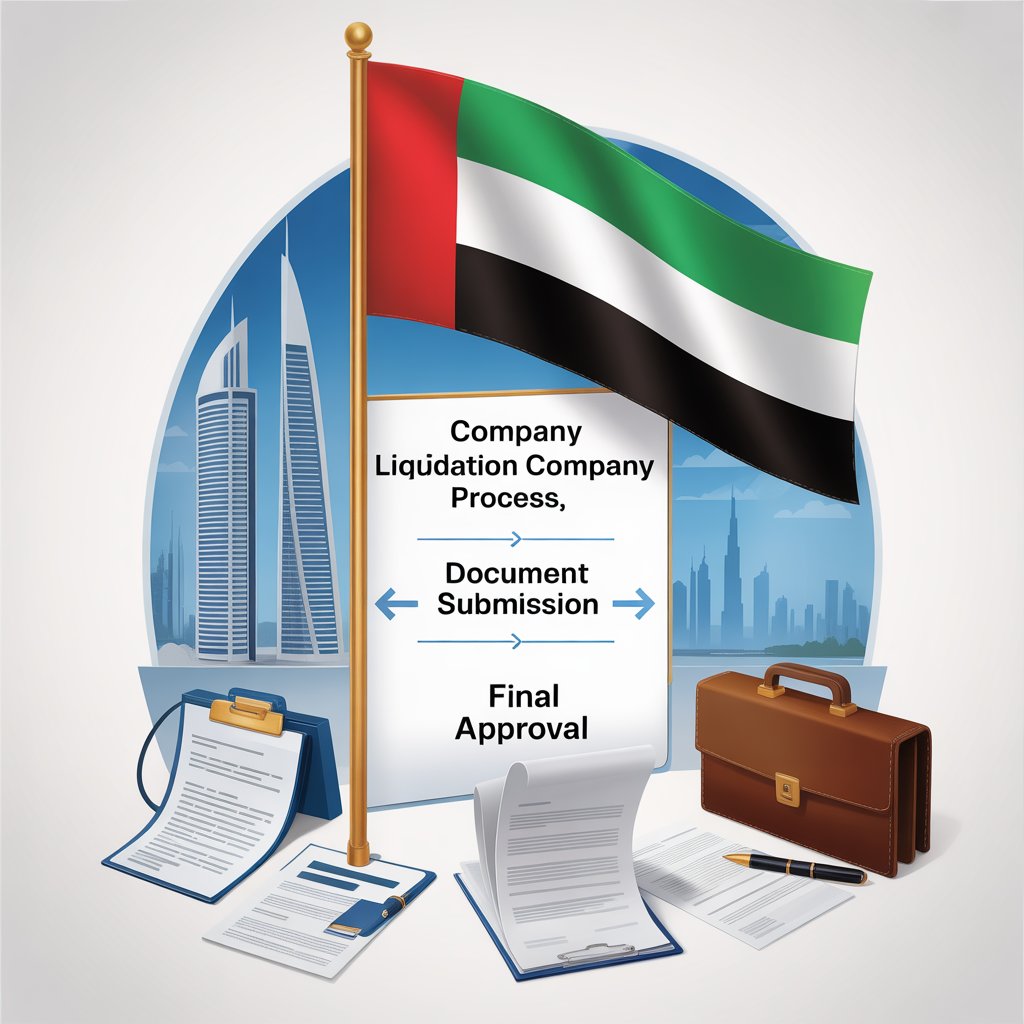
The UAE freezone company liquidation process involves several important stages. Each step must be completed in the correct order to ensure a smooth and legally compliant closure. Below is a detailed breakdown of the entire process.
Step 1: Board Resolution and Shareholder Approval
The first step in closing a freezone company in the UAE is to pass a board resolution or shareholder resolution approving the decision to liquidate. This resolution must clearly state the intention to dissolve the company and must be signed by all relevant parties. Depending on the freezone authority, this document may need to be notarised.
Step 2: Appoint a Liquidator
Most freezone authorities in the UAE require the appointment of a qualified liquidator to oversee the winding up process. The liquidator’s role is to manage the distribution of assets, settle outstanding liabilities, and ensure that all legal requirements are met during the UAE company liquidation procedure.
In some freezones, the authority itself may appoint a liquidator if the company fails to do so within the required timeframe. It is advisable to appoint a professional accounting or legal firm with experience in freezone liquidations.
Step 3: Notify the Relevant Freezone Authority
Once the board resolution is in place and a liquidator has been appointed, the company must formally notify the freezone authority of its intention to close. This is done by submitting an application for company deregistration along with the required documents.
The freezone authority will then review the application and may issue a notice of intent to dissolve, which is often published in a local newspaper or official gazette as part of the legal notification process.
Step 4: Clear All Outstanding Liabilities
Before the freezone company closure in the UAE can be finalised, all debts, dues, and obligations must be cleared. This includes settling outstanding invoices with suppliers, clearing bank loans, paying any pending government fees, and settling employee entitlements such as gratuity and unpaid salaries.
Creditors are typically given a notice period during which they can submit any outstanding claims against the company. The liquidator is responsible for managing this process and ensuring that all legitimate claims are addressed.
Step 5: Cancel Business Licences and Permits
All active business licences, trade licences, and operating permits must be formally cancelled with the freezone authority and any relevant government departments. This includes cancelling any professional licences, special approvals, and third party permits that the company holds.
Step 6: Close Bank Accounts and Deregister for VAT
All company bank accounts must be closed, and the company must formally deregister for Value Added Tax with the Federal Tax Authority if it was previously VAT registered. Failure to deregister properly can result in ongoing tax obligations and penalties even after the company has ceased operations.
Step 7: Cancel Visas and Immigration Records
All employee visas, investor visas, and dependent visas linked to the freezone company must be cancelled through the relevant immigration authority. This step is critical to ensure that there are no outstanding immigration obligations after the company is dissolved.
Step 8: Obtain Final Clearance Certificate
Once all liabilities have been cleared, licences cancelled, and required approvals obtained, the freezone authority will issue a final clearance certificate or deregistration certificate. This document officially confirms that the company has been dissolved and is no longer legally in existence.
Documents Required for Freezone Company Liquidation in the UAE
Preparing the correct documentation is one of the most important parts of the UAE freezone company liquidation process. Missing or incorrect documents can cause significant delays. The following documents are typically required, though specific requirements may vary depending on the freezone authority.
• Original trade licence and copies of all relevant licences
• Board or shareholder resolution approving the company dissolution
• Memorandum and Articles of Association of the company
• Passport copies and Emirates ID copies of all shareholders and directors
• Liquidator appointment letter or agreement
• Audited financial statements up to the date of liquidation
• No objection certificates from banks confirming account closures
• Employee visa cancellation confirmation from immigration authorities
• Tax deregistration certificate from the Federal Tax Authority if applicable
• No objection letter from relevant government departments
• Completed application forms as required by the freezone authority
It is highly recommended to work with a professional accounting and business advisory firm to ensure that all documents are correctly prepared and submitted in a timely manner.
Legal Requirements and Approvals Needed During Company Closure
Closing a freezone business in the UAE requires compliance with multiple legal and regulatory requirements. These approvals are designed to protect the interests of all stakeholders involved in the company.
Regulatory Compliance
Every freezone in the UAE has its own specific set of rules and regulations governing company dissolution. Authorities such as the Dubai Multi Commodities Centre, Jebel Ali Free Zone Authority, Abu Dhabi Global Market, and others each have their own procedural requirements that must be followed during the closure process.
Publication Requirements
Many freezone authorities require the company to publish a notice of its intended dissolution in an approved UAE newspaper. This gives creditors and other interested parties the opportunity to come forward with any claims before the liquidation is finalised.
Tax and Regulatory Clearances
Companies that are registered for VAT must obtain a formal deregistration confirmation from the Federal Tax Authority. Additionally, the company must ensure that all customs duties, import and export obligations, and any other regulatory requirements have been fully settled before closure.
Common Challenges Businesses Face During the Freezone Liquidation Process

The UAE freezone company liquidation process can be complex and time consuming, especially for business owners who are not familiar with the legal and regulatory requirements. The following are some of the most common challenges that companies face during the closure process.
• Delays caused by missing or incomplete documentation.
• Difficulty in locating or settling outstanding creditor claims.
• Disputes between shareholders regarding the distribution of remaining assets.
• Complications with visa cancellations for employees or dependants.
• Failure to properly deregister for VAT leading to ongoing tax obligations.
• Disagreements with the freezone authority over outstanding fees or dues.
• Lengthy timelines for obtaining final clearance certificates from government departments.
• Challenges in closing corporate bank accounts when there are pending transactions.
Understanding these potential obstacles in advance allows business owners to plan proactively and avoid unnecessary delays or financial penalties during the closing a freezone business UAE process.
How to Avoid Mistakes When Closing a Freezone Company in the UAE
Many business owners make avoidable mistakes when trying to close and liquidate a freezone company in the UAE. Here are the most important precautions to take to ensure a smooth and error free closure.
1. Start the process early and do not wait until the last minute. Last minute closures often result in missed deadlines and penalties.
2. Ensure all financial accounts are fully audited and reconciled before initiating the liquidation process.
3. Work with a qualified liquidator who has direct experience with your specific freezone authority.
4. Keep all shareholders informed and ensure that all resolutions are properly signed and notarised.
5. Do not abandon visas or bank accounts without formally cancelling them through the appropriate channels.
6. Retain copies of all documents and approvals obtained during the closure process for future reference.
7. Engage a professional accounting firm to handle VAT deregistration and tax compliance before closure.
8. Confirm in writing with the freezone authority that all outstanding fees and dues have been settled.
The Importance of Proper Accounting and Compliance Before Liquidation
One of the most critical aspects of the UAE company liquidation procedure is ensuring that the company’s financial records are in order before the process begins. Many businesses overlook this step, which can lead to serious complications down the line.
Finalising Financial Statements
Before initiating the freezone company liquidation process, the company must prepare and finalise its financial statements up to the date of closure. These statements must be audited by a registered auditor in the UAE to ensure accuracy and compliance with local accounting standards.
VAT Compliance
Any company that has been VAT registered must ensure that all VAT returns have been filed and all outstanding VAT amounts have been paid before applying for deregistration. Outstanding VAT obligations can prevent the Federal Tax Authority from issuing the deregistration certificate, which can stall the entire closure process.
Payroll and Employee Settlements
All employee dues including unpaid salaries, annual leave encashments, and end of service gratuity must be calculated accurately and paid in full before the company can proceed with its formal closure. Failure to do so is a violation of UAE labour law and can result in legal action.
How Professional Accounting and Business Advisory Services Can Simplify the Liquidation Process
Attempting to navigate the UAE freezone company liquidation process without professional guidance can be overwhelming and risky. Engaging an experienced accounting and business advisory firm such as Leads Accountancy can make the entire process significantly smoother and more efficient.
Professional advisors bring in depth knowledge of the specific requirements of each freezone authority in the UAE. They can prepare and review all required documents, liaise with government departments on your behalf, and ensure that every step of the closure process is completed correctly and on time.
Leads Accountancy offers comprehensive company liquidation services tailored to the specific needs of freezone businesses in the UAE. Our team of expert accountants and business advisors handles everything from the initial board resolution to the final deregistration certificate, giving you complete peace of mind throughout the process.
By working with a trusted professional, you can avoid costly delays, prevent legal complications, and ensure that your company is closed in full compliance with all UAE regulations.
Expert Tips for Business Owners Planning to Close Their Freezone Company
Plan the Closure Well in Advance
The UAE freezone company liquidation process can take anywhere from a few weeks to several months depending on the complexity of the company’s affairs and the specific freezone authority involved. Planning ahead gives you enough time to address any complications without incurring additional penalties.
Settle All Employee Matters First
Employee related obligations are often one of the most time consuming parts of the closure process. Address all payroll, gratuity, and visa cancellation matters early to avoid delays in obtaining clearance from immigration and labour authorities.
Communicate With Creditors and Suppliers Early
Notify your creditors and suppliers of your intention to close the company as early as possible. This allows you to negotiate settlements, avoid disputes, and maintain professional relationships even as you wind down operations.
Keep Detailed Records of the Entire Process
Maintaining thorough records of every step of the liquidation process is essential. This includes keeping copies of all correspondence with government authorities, resolutions, clearance certificates, and financial statements. These records may be needed in the future for tax purposes or in case of any disputes.
Engage Professionals From the Start
The single most valuable step you can take when closing a freezone business in the UAE is to engage qualified professionals from the very beginning. An experienced accounting and advisory firm will save you time, money, and stress throughout the entire process.

FAQ:
What is the first step to close and liquidate a freezone company in the UAE?
The first step is to pass a formal board or shareholder resolution approving the decision to dissolve the company. This resolution serves as the legal authorisation to begin the liquidation process and must be signed by all relevant parties.
Do all shareholders need to agree to dissolve a freezone company?
In most cases, yes. The majority of freezone authorities require unanimous or majority shareholder consent before a company can be officially dissolved. The specific requirement depends on the company’s Articles of Association and the rules of the relevant freezone authority.
Can I reopen a freezone company after it has been officially liquidated?
Once a freezone company has been officially deregistered and the final clearance certificate has been issued, the company can no longer be reinstated. If you wish to operate again in the UAE, you would need to register a new company through the standard incorporation process.
What penalties can occur if I do not close my freezone company properly?
Failing to close a freezone company properly can result in accumulating annual renewal fees, financial penalties from the freezone authority, personal liability for outstanding company debts, restrictions on future business activities in the UAE, and potential legal action from creditors.
How can Leads Accountancy help me close my freezone company in the UAE?
Leads Accountancy provides end to end freezone company liquidation services in the UAE. Our experienced team handles every aspect of the process including documentation preparation, coordination with freezone authorities, VAT deregistration, employee settlement calculations, and obtaining the final clearance certificate. We make the process simple, fast, and fully compliant.
Conclusion: Close Your Freezone Company the Right Way With Expert Guidance
Knowing how to properly close and liquidate a freezone company in the UAE is essential for any business owner looking to wind down operations in a compliant and legally sound manner. The process involves multiple steps, significant documentation, and coordination with several government authorities.
By understanding the common challenges, avoiding typical mistakes, and ensuring full accounting compliance before initiating the closure, business owners can protect their interests and maintain a positive reputation in the UAE business community.
Most importantly, working with an experienced accounting and advisory firm like Leads Accountancy ensures that the entire freezone company closure in the UAE is handled efficiently, accurately, and in full compliance with all relevant laws and regulations. Our team is ready to guide you through every step of the journey so you can move forward with confidence.
Contact Leads Accountancy today to speak with one of our expert advisors about how we can help you close your freezone company smoothly and without complications.